






Introduction
The manufacturing sector has long been a cornerstone of economic growth, technological advancement, and industrial development. However, traditional manufacturing processes often consume vast amounts of energy, generate significant waste, and contribute to environmental pollution. As global concerns about climate change, resource depletion, and sustainability continue to grow, industries are increasingly adopting green manufacturing and sustainable engineering practices.
Green manufacturing refers to the creation of products through environmentally friendly processes that minimize waste, reduce energy consumption, and lower environmental impact. Sustainable engineering focuses on designing systems, products, and processes that meet present needs without compromising the ability of future generations to meet theirs.
Together, these approaches are transforming industries worldwide, enabling companies to improve efficiency, reduce costs, and contribute to a more sustainable future.

What is Green Manufacturing?
Green manufacturing is the practice of producing goods using processes that reduce environmental impact. It aims to minimise pollution, conserve natural resources, and improve energy efficiency throughout the production lifecycle.
The primary goals of green manufacturing include:
Reducing waste generation
Lowering greenhouse gas emissions
Conserving energy and water
Increasing recycling and material reuse
Utilizing renewable energy sources
Enhancing product lifecycle sustainability
Modern manufacturers are increasingly integrating environmentally responsible practices into their operations to meet regulatory requirements and consumer expectations.
Understanding Sustainable Engineering
Sustainable engineering involves designing products, infrastructure, and industrial systems with environmental, economic, and social sustainability in mind.
Engineers consider factors such as:
Resource efficiency
Product durability
Recyclability
Energy consumption
Environmental impact
Long-term economic viability
The objective is to develop solutions that balance industrial productivity with environmental responsibility.
Why Green Manufacturing Matters
Environmental Benefits
Traditional manufacturing contributes significantly to:
Air pollution
Water contamination
Carbon emissions
Resource depletion
Green manufacturing helps reduce these impacts by implementing cleaner technologies and sustainable processes.
Economic Advantages
Contrary to common misconceptions, sustainability often reduces operational costs.
Benefits include:
Lower energy bills
Reduced material waste
Improved process efficiency
Decreased maintenance costs
Increased profitability
Enhanced Brand Reputation
Consumers increasingly prefer environmentally responsible brands. Sustainable practices can improve customer trust and strengthen market competitiveness.
Regulatory Compliance
Governments worldwide are implementing stricter environmental regulations. Green manufacturing helps organizations comply with evolving standards while avoiding penalties.
Key Principles of Green Manufacturing
Energy Efficiency
Energy-efficient systems reduce power consumption while maintaining productivity.
Examples include:
High-efficiency motors
LED lighting
Smart energy management systems
Variable frequency drives (VFDs)
Waste Reduction
Manufacturers strive to minimize waste generation through:
Lean manufacturing
Process optimization
Material recycling
Product redesign
Resource Conservation
Efficient use of raw materials and water reduces environmental impact while lowering operational expenses.
Pollution Prevention
Modern manufacturing facilities implement technologies that reduce:
Air emissions
Wastewater discharge
Hazardous waste generation
Renewable Energy in Manufacturing
Renewable energy plays a crucial role in sustainable industrial development.
Solar Energy
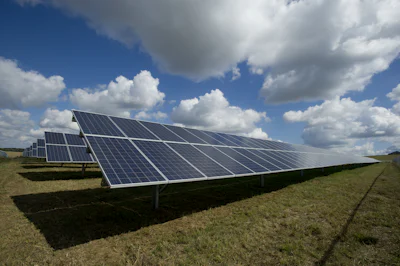
Many factories now install rooftop solar panels to reduce dependence on conventional power sources.
Benefits include:
Lower electricity costs
Reduced carbon emissions
Long-term energy security
Wind Energy
Large industrial facilities increasingly utilize wind energy to power manufacturing operations.
Biomass Energy
Organic waste materials can be converted into energy, reducing landfill waste while generating power.
Hydropower
Certain manufacturing sectors utilize hydroelectric energy as a clean power source.

Industry 4.0 and Green Manufacturing
Industry 4.0 technologies are accelerating sustainable manufacturing initiatives.
Internet of Things (IoT)
IoT sensors continuously monitor:
Energy consumption
Machine performance
Resource utilization
Production efficiency
Real-time monitoring enables manufacturers to identify inefficiencies and reduce waste.
Artificial Intelligence
AI systems analyze large datasets to optimize production processes.
Applications include:
Predictive maintenance
Quality control
Energy optimization
Process automation
Digital Twins
Digital twins create virtual representations of physical systems.
Benefits include:
Reduced prototyping costs
Better design optimization
Improved maintenance planning
Enhanced sustainability performance
Robotics and Automation
Automated systems improve manufacturing precision while minimizing material waste and energy consumption.

Circular Economy in Manufacturing
The circular economy aims to eliminate waste by continuously reusing resources.
Unlike traditional linear models:
Take → Make → Dispose
The circular economy follows:
Reduce → Reuse → Recycle
Key strategies include:
Product Recycling
Materials from old products are recovered and reused in new manufacturing processes.
Remanufacturing
Used products are restored to like-new condition.
Component Reuse
Individual components are reused instead of discarded.
Sustainable Product Design
Products are designed for easier repair, upgrading, and recycling.

Sustainable Materials in Engineering
Material selection significantly influences environmental performance.
Recycled Metals
Steel and aluminum can be recycled repeatedly without losing quality.
Bioplastics
Plant-based plastics reduce dependence on petroleum-based materials.
Composite Materials
Advanced composites often provide improved performance with lower environmental impact.
Sustainable Packaging
Manufacturers increasingly replace traditional packaging with recyclable and biodegradable alternatives.
Smart Factories and Sustainable Production
Smart factories utilize advanced technologies to improve efficiency and sustainability.
Characteristics include:
Automated production systems
AI-driven decision-making
Real-time monitoring
Predictive maintenance
Energy optimization
Benefits include:
Reduced waste
Improved productivity
Lower emissions
Enhanced product quality
Predictive Maintenance for Sustainability
Unexpected equipment failures often result in:
Production losses
Increased energy consumption
Material waste
Predictive maintenance uses AI and IoT sensors to detect issues before failures occur.
Benefits include:
Reduced downtime
Lower maintenance costs
Extended equipment lifespan
Improved energy efficiency
Green Manufacturing in the Automotive Industry
The automotive sector is a leader in sustainable manufacturing innovation.
Examples include:
Electric vehicle production
Lightweight materials
Renewable energy-powered plants
Battery recycling programs
Manufacturers are investing heavily in reducing emissions throughout the vehicle lifecycle.

Sustainable Engineering in Aerospace
The aerospace industry focuses on:
Lightweight aircraft materials
Fuel-efficient designs
Sustainable aviation fuels
Advanced manufacturing technologies
These innovations help reduce environmental impact while improving performance.
Challenges in Green Manufacturing
Despite its benefits, organizations face several challenges:
High Initial Investment
Advanced sustainable technologies often require significant upfront capital.
Technology Integration
Integrating new systems with existing infrastructure can be complex.
Workforce Training
Employees require training to effectively utilize sustainable technologies.
Supply Chain Sustainability
Achieving sustainability across entire supply chains remains challenging.
However, long-term benefits often outweigh these obstacles.
Future Trends in Sustainable Engineering
Several emerging technologies will shape the future of green manufacturing.
AI-Driven Sustainability
Artificial intelligence will continue optimizing energy consumption and production efficiency.
Carbon-Neutral Factories
Manufacturers are pursuing net-zero carbon emission goals.
Green Hydrogen
Hydrogen-based energy systems offer promising alternatives to fossil fuels.
Advanced Recycling Technologies
New recycling methods will improve resource recovery and reduce waste.
Sustainable Smart Cities
Engineering innovations will support environmentally friendly urban development.
Conclusion
Green manufacturing and sustainable engineering are no longer optional—they are essential for the future of industry. As environmental challenges continue to grow, organizations must adopt cleaner technologies, efficient production methods, and sustainable design principles.
Through renewable energy, Industry 4.0 technologies, circular economy strategies, and innovative engineering solutions, manufacturers can achieve both profitability and environmental responsibility.
The future belongs to industries that embrace sustainability, innovation, and responsible resource management. Green manufacturing is not merely a trend; it is the foundation of the next industrial revolution.
Frequently Asked Questions (FAQ)
What is green manufacturing?
Green manufacturing is the process of producing goods using environmentally friendly methods that reduce waste, energy consumption, and pollution.
Why is sustainable engineering important?
Sustainable engineering helps balance industrial development with environmental protection, ensuring resources remain available for future generations.
How does AI support green manufacturing?
AI optimizes production processes, predicts equipment failures, reduces waste, and improves energy efficiency.
What are the benefits of renewable energy in manufacturing?
Renewable energy lowers operating costs, reduces carbon emissions, and improves energy security.
What is a circular economy?
A circular economy focuses on reducing waste through recycling, reusing, remanufacturing, and sustainable product design.
How do smart factories contribute to sustainability?
Smart factories use automation, AI, and IoT technologies to optimise resource usage, reduce waste, and improve operational efficiency.
What industries benefit most from green manufacturing?
Automotive, aerospace, electronics, consumer goods, energy, and heavy manufacturing industries all benefit significantly from sustainable practices.
Is green manufacturing expensive?
While initial investments can be high, long-term savings from energy efficiency, waste reduction, and operational improvements often outweigh the costs.

No comments:
Post a Comment
Please do not enter any spam link in the comment box